
See the regulatory layer of your tissue.
Understand how cell states vary across tissue—and the regulatory programs behind them. AtlasXomics brings chromatin accessibility, histone modifications, and gene expression into spatial context.
Start with our services or bring spatial epigenomics into your own lab.
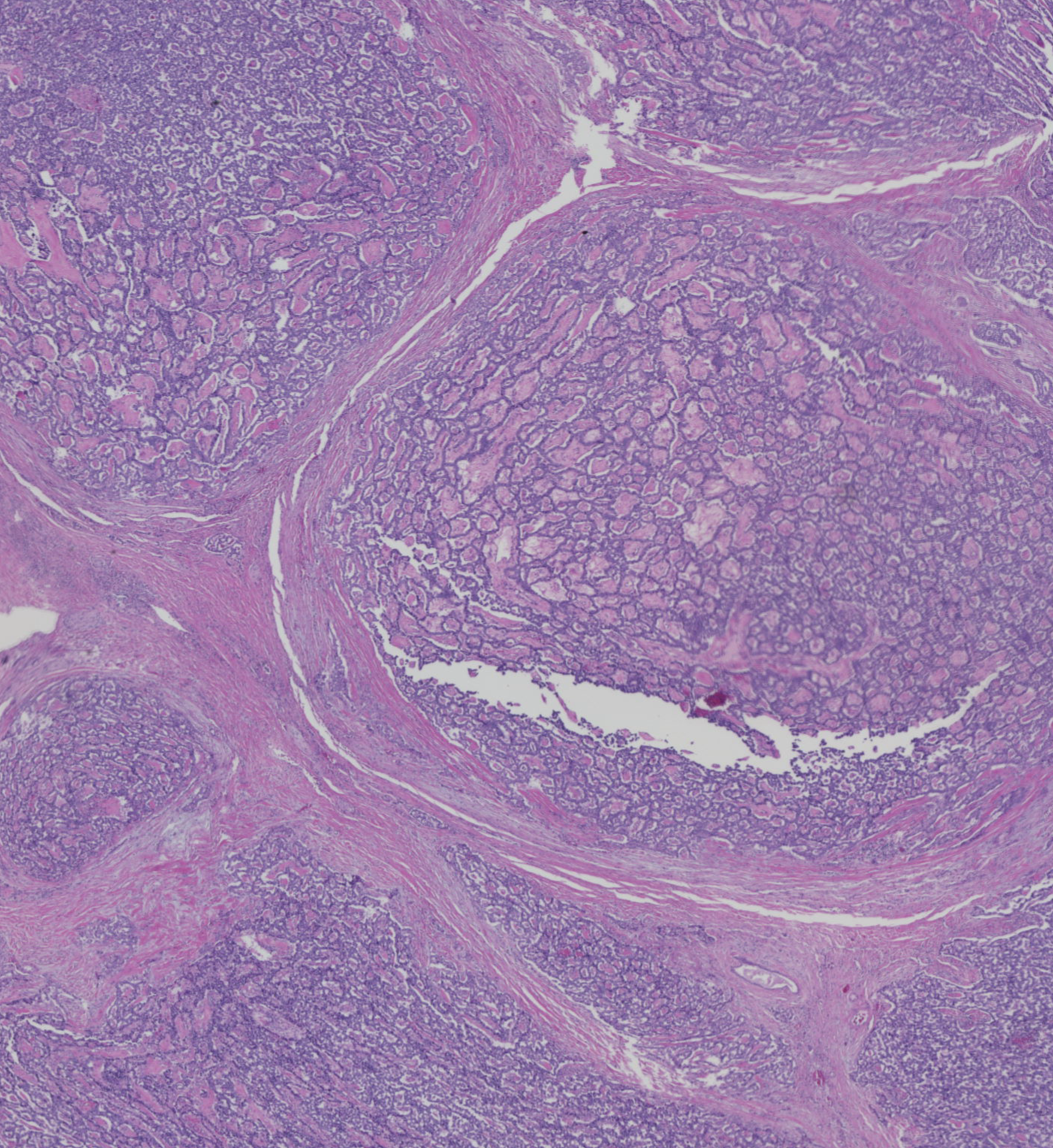

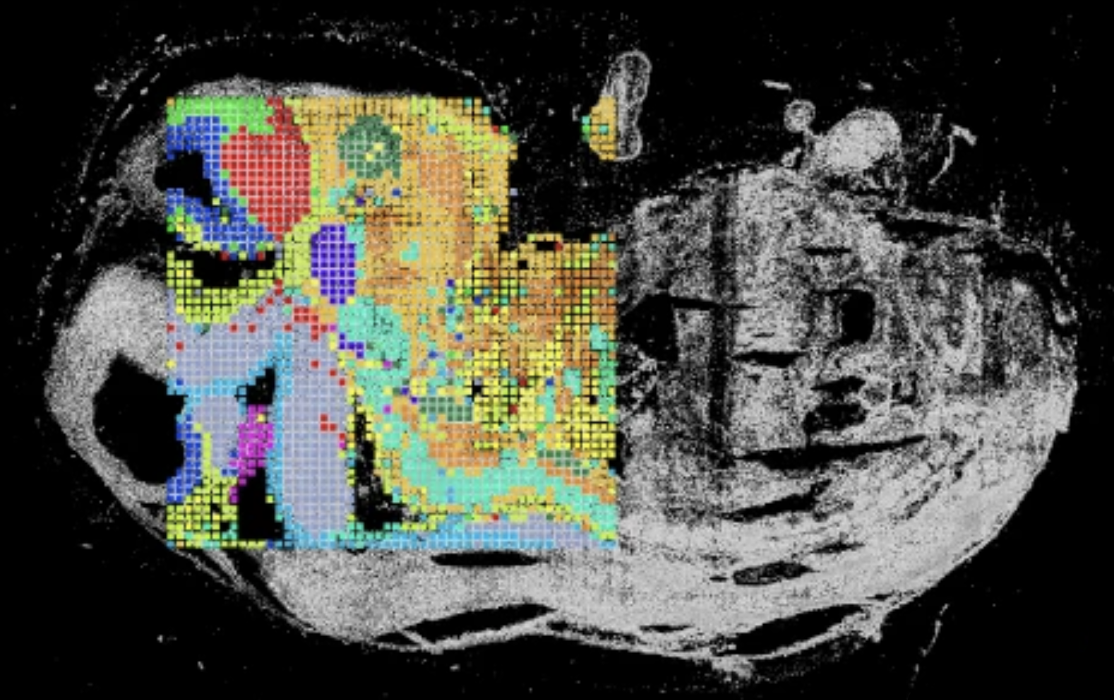
Similar expression can conceal different regulatory states.
A transcription factor may be expressed in two tissue regions while its potential binding sites differ in accessibility. Spatial ATAC-seq maps these differences, helping researchers investigate how regulatory programs vary across the tissue.
What can spatial ATAC-seq reveal? →Published, trusted, and validated across tissues.
Built on DBiT-seq technology and used by labs worldwide across cancer, neuroscience, and developmental biology.
Peer-reviewed methods and data
From spatial ATAC-seq in FFPE tissue to multi-omic co-profiling.
See how labs use spatial epigenomics
Worked examples from tumor microenvironments to regulatory states within epithelium.
Explore use cases →
Work with the Natrajan Lab (The Institute of Cancer Research), Dhar Lab (MD Anderson Cancer Center), Ellis Lab (CPDR), and more.
Start with your biological question.
Choose the molecular layer that fits your study. Our scientists can help match your research goals and tissue samples to the right assay.
One section, four distinct regulatory states.
Regions that look alike on H&E can be active, inactive, or poised. Each epigenetic layer maps a different pattern across the same tissue—only together do they resolve the regulatory state.


Data courtesy of the Natrajan Lab, The Institute of Cancer Research. Signal shown for one gene.
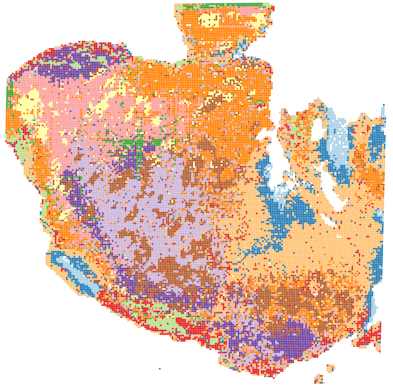
Where do regulatory programs differ?
Spatial ATAC-seqMap accessible chromatin across tissue to investigate regulatory elements, transcription factor motif accessibility, and cell states.

How are chromatin states organized?
Spatial CUT&TagMap selected histone modifications and chromatin-associated proteins to investigate regulatory states within tissue.
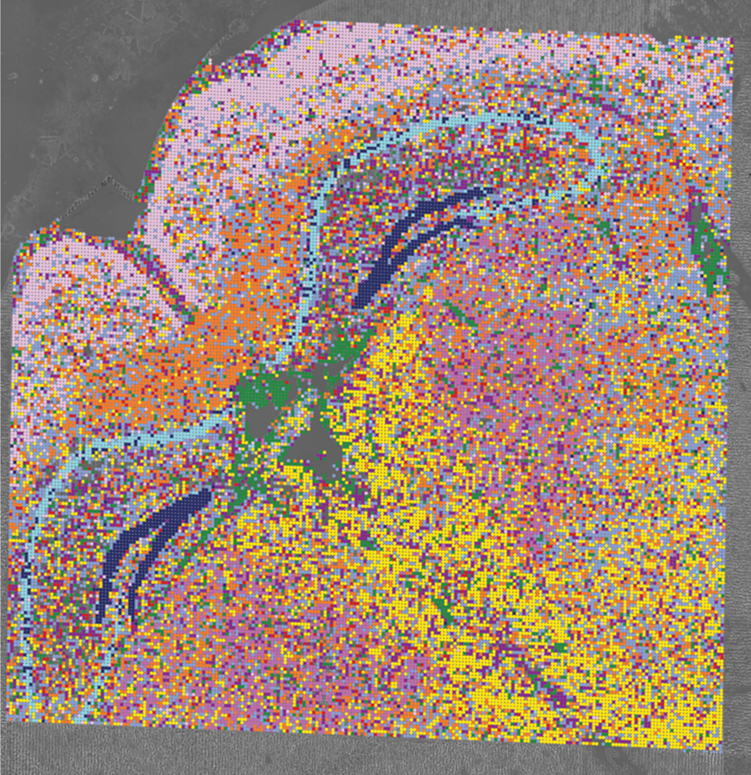
How does regulatory state relate to gene expression?
Spatial Co-profilingMeasure chromatin accessibility and RNA from the same tissue section to connect regulatory variation with transcriptional differences.
Two ways to bring spatial epigenomics to your research.
See how the platform works →Send us your samples.
Work with our scientists to plan and run your study. We perform the spatial assay, with sequencing and analysis options tailored to your team.
- Study planning and sample review
- Spatial profiling and library preparation
- Sequencing and data processing options
- Fully managed analysis and reporting available
Run it in your lab.
Bring spatial epigenomics into your existing laboratory workflow with reusable AtlasXpress hardware, assay reagents, protocols, and scientific support.
- No dedicated instrument required
- Standard slides and molecular biology equipment
- Compatible microscope and NGS access required
- Onboarding, protocols, and analysis resources
What would you like to understand about your tissue?
Tell us about your research goals, sample type, and approximate study size. Our scientists will help you select an assay, review feasibility, and prepare a project scope and quote.
For Research Use Only.